Featured
Dr Kate Dunn will share how an exciting new wave of 3D printing technologies and materials is spearheading a more accurate and human-centred design approach to healthcare.
Join UNSW Art & Design Research Forum and UNSW Galleries for a lecture by UK based conservator, Louise Lawson. This lecture will focus on the documentation and conservation of performance artworks at Tate, exploring the notion of “liveness” within an artwork in an institutional context.
This International Women's Day, and in recognition of International HPV Awareness Day, we meet some of the women behind Australia's leading cervical cancer research, as they share their experiences and insights into this important women's health issue.
Join UNSW Art & Design Research Forum for this talk and conversation with curator and art historian, Francisco Godoy Vega.
Francisco is visiting Sydney as part of Colectivo Ayllu for the 2020 Biennale of Sydney, exhibiting at Artspace.
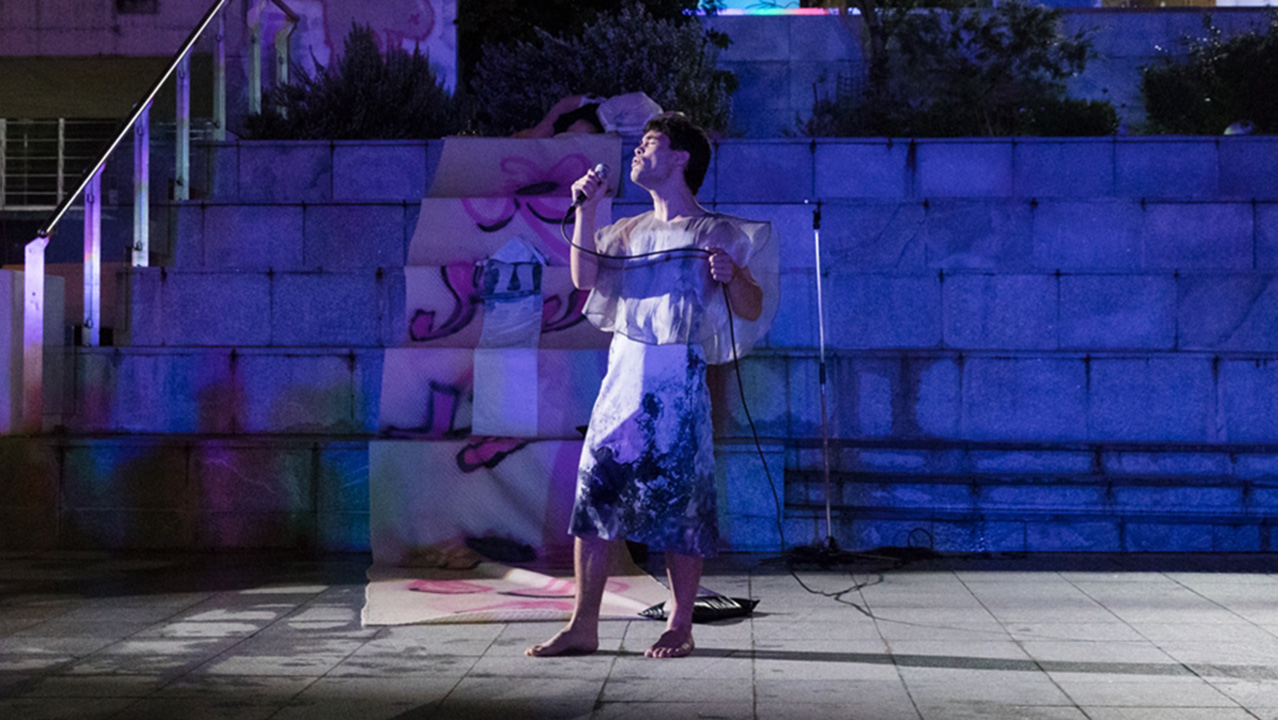
Grab an Art Month Sydney map and explore the local galleries of Paddington and Woollahra before kicking onto the festival's opening party at UNSW Galleries from 8pm.
Featured
An equal world is an enabled world. How will you help forge a gender equal world? Celebrate women's achievement. Raise awareness against bias. Take action for equality.
Featured
What will become of democracy in a world powered by tech?
Join the Institute for Global Development for a conversation on the findings of the Second Edition of the Global Women Peace & Security (WPS) Index, which ranks countries on women's comprehensive wellbeing and analyses trends in gender equality.
Held is a group show exploring tactile affects. Artists Serwah Gyekyewah Attafuah, Angus McGrath, Nolan Ho Wung Murphy, Naomi Segal, Jesse Rye, and Steph Liakos locate themselves as sites of history, intimacy, hope and protest. Touching as they themselves are touched upon.
A conversation with leading artist Khadim Ali on his newly commissioned site-specific billboard on the exterior of UNSW Galleries, Every War is a Defeat (2019). Born and raised in Pakistan, Khadim Ali’s work is heavily influence by his family’s experience as Hazara refugees, fleeing Taliban persecution in Afghanistan.