
Japanese and Korean Studies presents: Mini Symposium on Gender and Language Teaching and Learning

19 October 2026
12.30pm – 6.00pm AEDT
Bio Science G07, UNSW Kensington
Illustrated image of two people conversing


Join us for the Japanese and Korean Studies Mini Symposium on Gender and Language Teaching and Learning, featuring talks from Maki Yoshida and Lucien Brown.

Creating Inclusive Japanese-Language Learning Spaces for Students of Diverse Genders and Sexualities
Dr Maki Yoshida (RMIT University)
A range of linguistic and paralinguistic features in Japanese is conventionally associated with gender. These features provide speakers with resources for expressing and negotiating diverse and changing social identities, including gender and sexual identities. However, language use is shaped by discourse and context, and individual speakers may or may not conform to dominant expectations regarding gendered Japanese. Despite the fluidity and diversity of linguistic practices and identities, Japanese as an additional language education has paid insufficient attention to the complex relationship between language, identity and gender.
In this presentation, I examine how current teaching practices may reproduce normative assumptions about gender and sexuality, and how these practices can affect the Japanese-language learning experiences of gender- and sexuality-diverse students. I also present practical strategies and classroom examples to support teachers in creating more inclusive learning environments that recognise and affirm students’ diverse genders and sexualities.

The Gendered Work of Language Learning
Lucien Brown (Monash University)
Language learning involves not simply acquiring a referential system but negotiating social and gendered meanings. Drawing on an indexical approach to language, I show how linguistic forms carry layered social meanings that learners must recognize, resist, or strategically deploy. I develop this argument through three case studies. The first examines L2 Korean learners’ use of oppa, showing how even novices recognize and manage its gendered meanings. The second follows a lesbian nontraditional learner of Korean during study abroad, revealing how identity is actively enacted within heteronormative and age-hierarchical classrooms. The third examines male learners of Japanese and gendered first-person pronouns, showing how intended masculine or gender-neutral identities may go unrecognized. Together, these studies demonstrate that gendered meaning is intrinsic to language learning. Learners are never neutral users of the forms they acquire, and those forms themselves have fluid social meanings. I conclude by arguing that attention to linguistic social meanings and to the diverse identities learners bring to the classroom should be central to language pedagogy.

Speakers
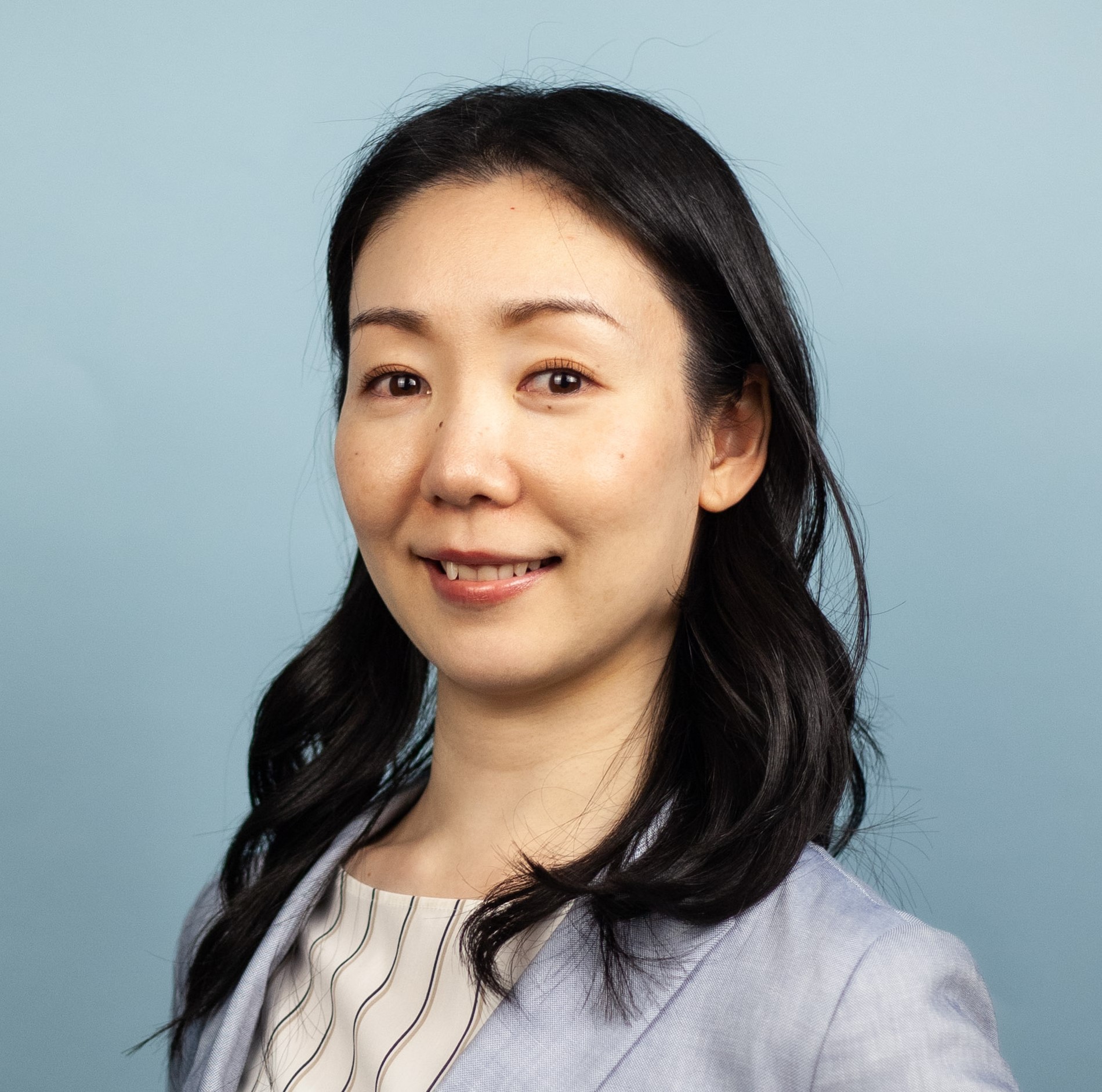
Maki Yoshida

Maki Yoshida

Senior Lecturer in Global and Language Studies at RMIT University.

Dr Maki Yoshida is a Senior Lecturer in Global and Language Studies at RMIT University. Her research explores the relationship between social structures, language and gender ideologies, with a focus on how individual speakers negotiate linguistic practices and identities within discursive power relations. Her recent work examines gendered language in Japanese and cisheteronormative pedagogical practices in Japanese-language education. It aims to contribute to the creation of more gender-just, LGBTIQA+-affirming and inclusive educational spaces.

Lucien Brown

Lucien Brown

Korea Foundation Associate Professor of Korean Studies at Monash University, Australia.

Lucien Brown is Korea Foundation Associate Professor of Korean Studies at Monash University, Australia. His research examines language, pragmatics, politeness, and identity, focussing on Korean. His work explores how linguistic and embodied practices index social meanings, including gender, relationships, and cultural identities.