Experiential Place-based Teaching: Integrating More-than-Human Voices in Our Pedagogy across Disciplines
This workshop will immerse participants across disciplines in place and Country to support them in developing innovative teaching approaches through respectful interaction with local environments and diverse place-based knowledges. Starting off campus at the coastal track and ending with close listening and co-creating on campus, the workshop will begin with learning from local Aboriginal guide Latoya Brown, and continue with Gendelman and Milstein facilitating practices of sensing and deep listening on the coastal track and (optional) in the water at Clovelly. Upon returning to campus, participants will become co-creators of a polyphonic listening experience in a blackout theatre space. After participating in these immersive experiences, participants will collectively and individually generate ideas of ways they can apply more-than-human-world attunement to their teaching to engage students in restorative and relational paradigm shifts.
Participants should bring: backup battery, if possible, and set phone to low battery use), lunch (or money to purchase lunch), Opal card if you choose to take public transit between coastal track and campus instead of walk/bike/drive, sun hat/water/sunblock, swimmers/snorkel or goggles/towel (optional), a question to share in the yarning circle at the start of the event.
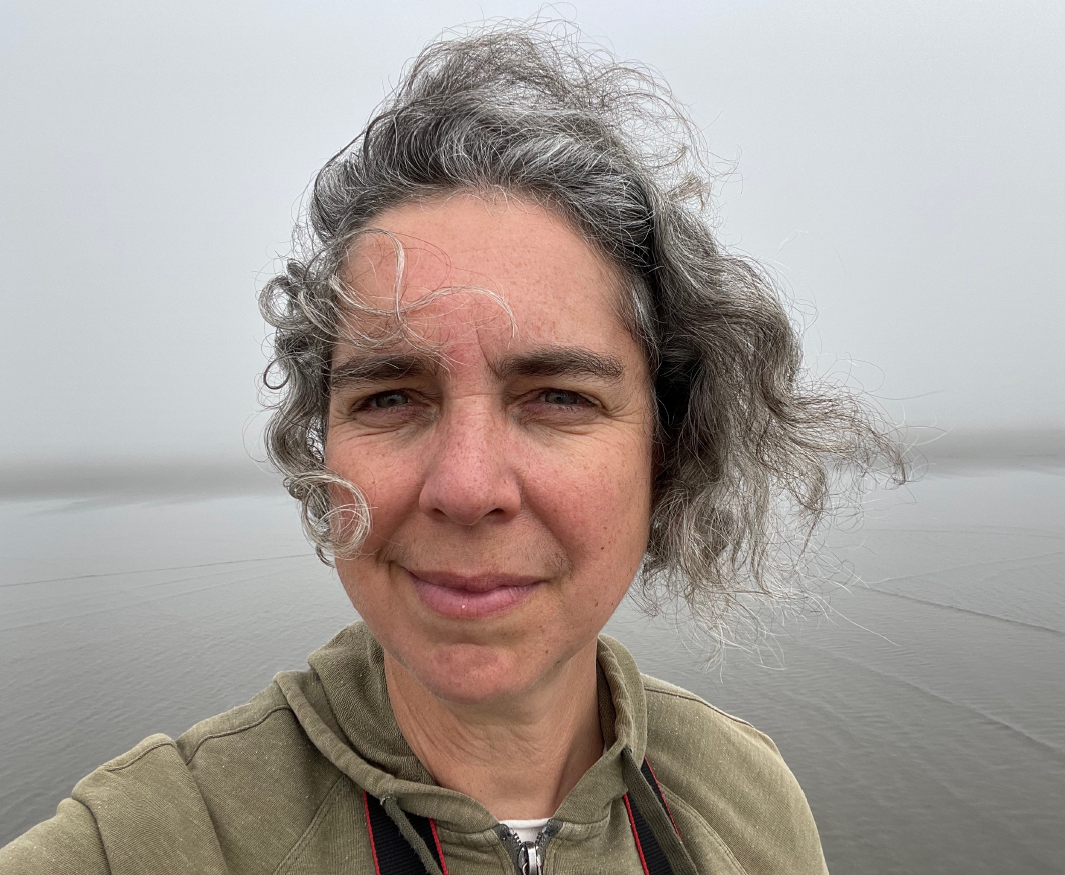
Irina Gendelman
Irina Gendelman, a 2023 UNSW Visiting Teaching Fellow, is Professor of Communication Studies at Saint Martin’s University (SMU) in Washington, USA where she founded and directed The Center for Scholarship and Teaching. Gendelman has taught in higher education for more than two decades, training colleagues in technology and experiential learning innovations, including learner-engaged place-based multimedia and digital archiving. In 2021, she established SMU’s Native Voices concentration, collaborating with the Environmental Team of Nisqually – the local Salish Sea tribe, original inhabitants of the university campus territory – on campus-wide educational initiatives, including bringing Nisqually speakers to discuss Indigenous rights and sovereignty. Internationally, Gendelman has led several ecoculturally immersive student trips to Morocco, Spain, and Italy, and published Classroom on the Road: Designing, Teaching, and Theorizing Out-of-the-Box Faculty-Led Student Travel. She currently collaborates with multimedia artist and co-teacher Dr. Dustin Zemel, using deep listening and rituals of mushroom gathering to help learners explore human relations with place/nature.
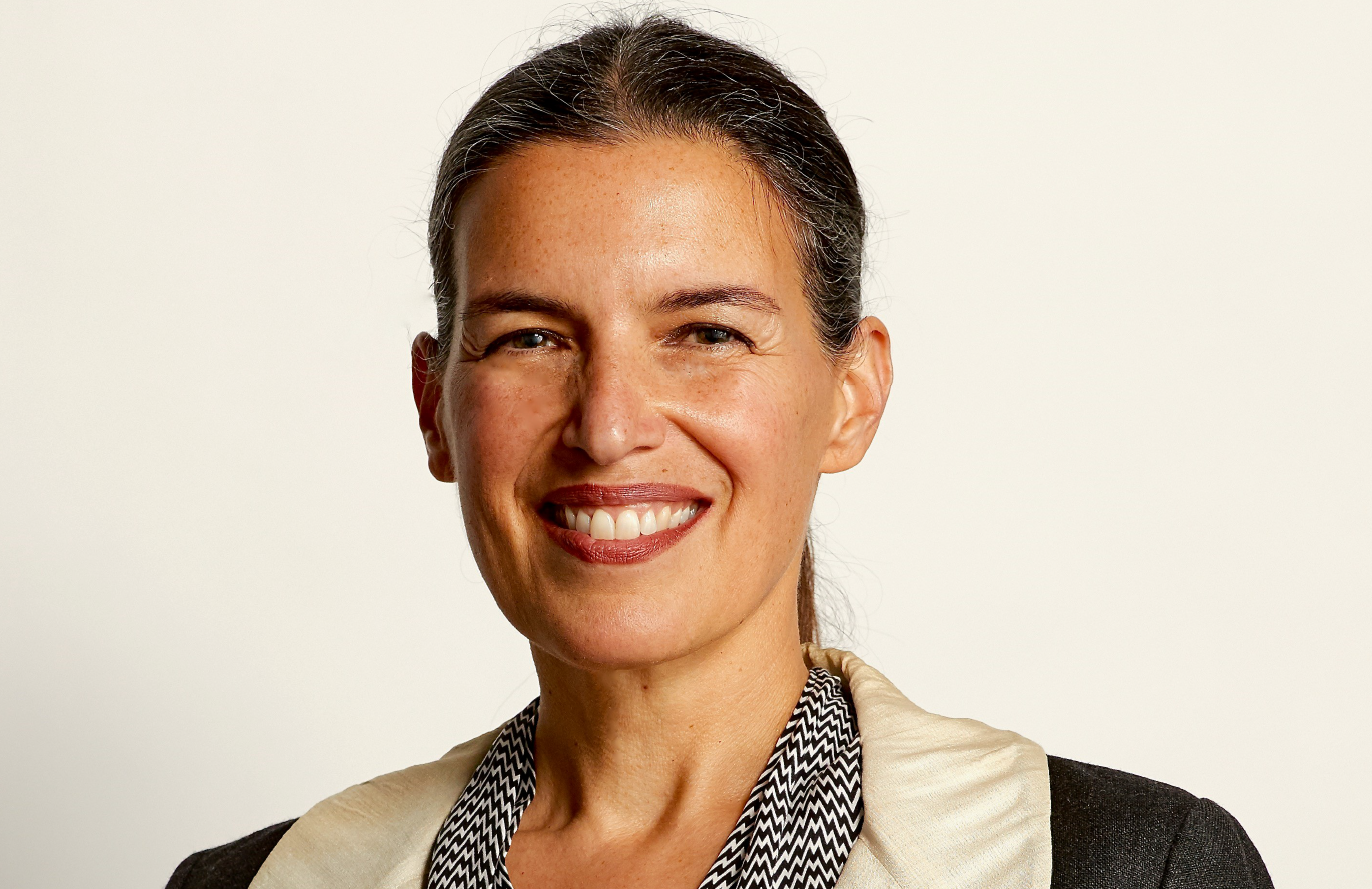
Tema Milstein
Tema Milstein, an Associate Professor of Environment & Society at UNSW, shares strongly overlapping interests with Gendelman in place-based transformative education. Milstein has a focus on ecocultural pedagogy and is lead editor of Environmental Communication Pedagogy and Practice and the Routledge Handbook of Ecocultural Identity, as well as creator of the “inside-out classroom” teaching model. Milstein is convenor of UNSW’s Master of Environmental Management program (School of Humanities & Languages, Faculty of Arts, Design, & Architecture), which she led a recent holistic revision on to centre transformative and experiential pedagogy and to nurture future change agents.