

Development and Women’s Reproductive Health in Ghana, 1920 – 1982

14 September 2022
4.00pm – 5.00pm AEST
Online
This event has ended

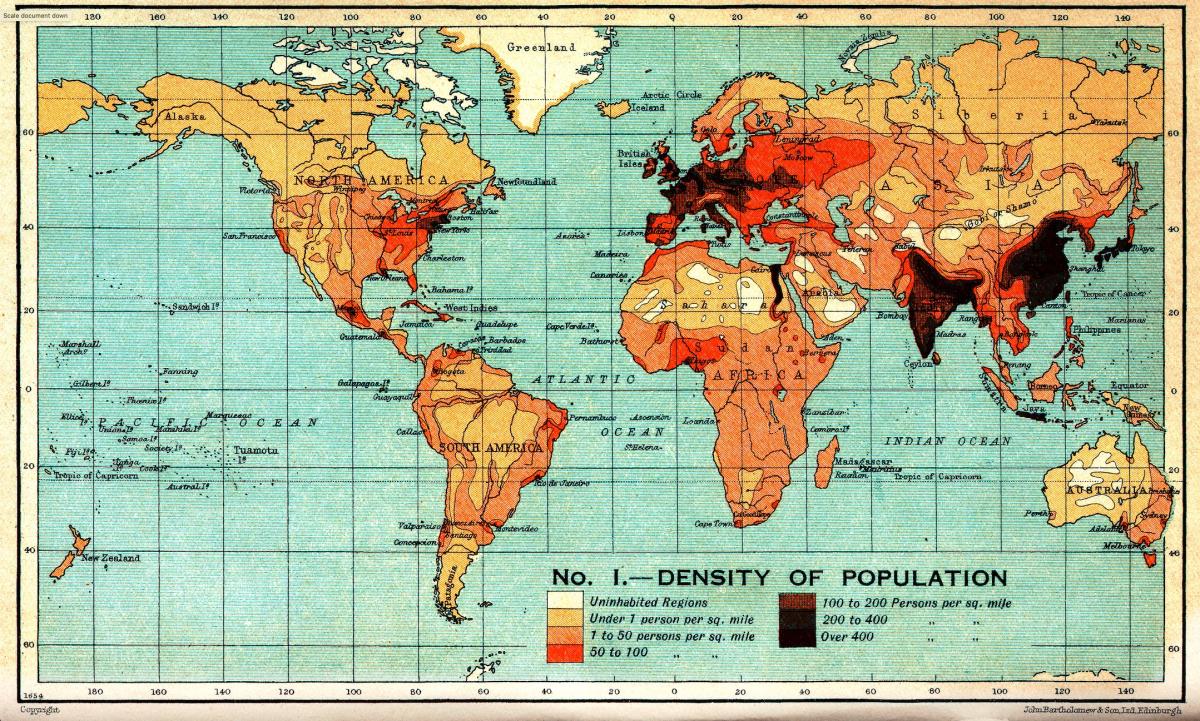
The perceived need to control population growth in Ghana has been governed by concepts of development since at least the 1920s. Because of this, development has worked as a discourse to legitimise and delegitimise certain practices of women’s reproductive health throughout the twentieth century. Development and Women’s Reproductive Health demonstrates the longevity of the triangular relationship between population, development and targeted healthcare regimes for women in Ghana. It builds James Ferguson’s conceptualisation of development as ‘apolitical’ to show how its connection with questions of population made women’s fertility, childbearing and child-rearing practices a legitimate target for local, state, international and transnational intervention.

From the 1920s, the desire to increase the economic productivity of the Gold Coast drove colonial officials to push for population increase. However, this was always framed as a question of moral uplift and humanitarian impulse. Those Africans taking part in health regimes designed to increase the population were seen as progressive, ‘developed.’ Interestingly, they utilised tropes of global developmentalist humanitarianism to hold the government to account so that the impetus for improved maternal and child health converged between Africans, colonial officials and the burgeoning international world. As the twentieth century progressed the wisdom of pushing for population growth was questioned by population activists. But the desire to increase the population for the good of the nation was strong under the Presidency of Kwame Nkrumah, Ghana’s first Independent leader. His belief was that population increase showed the power of the nation, enabled his plans for industrialisation and fit with anti-imperialist, Pan-Africanist ideologies. This found widespread support in Ghana but led to a ban on contraceptives. Now, women working for the development of the nation ought to be more fertile. All of this was turned on its head in the 1970s when a new government launched the National Family Planning Programme. A new discourse insisted that Ghana’s development relied on limiting population growth and that there was a national and global urgency to take steps to do so. The government instrumentalised global population activism to distract from economic crisis, and to attract donor aid. Women were targeted through this programme to limit their fertility, in order to perform ‘developed’ attitudes.

Speakers
A profile picture

Dr Holly Ashford

Dr Holly Ashford completed her PhD at the University of Cambridge in 2020. Her first book, ‘Development and Women’s Reproductive Health in Ghana, 1920 – 1982’ will be published in December 2022.