Culturally Nourishing Schooling: Conversations for Transformative Change
Join the Culturally Nourishing Schooling (CNS) Project for an interactive conversation with world‑leading scholars Professor Mere Berryman and Professor Django Paris, exploring big ideas for lasting, culturally sustaining educational change and re‑imagining education as a space for liberation and justice.
This event will be offered in a hybrid format, with both in-person and virtual attendance available.
Educators, leaders, researchers, and community members are warmly invited to participate in this rich and future‑focused dialogue.
Learn more about the CNS Project:
https://www.culturallynourishingschooling.org.au/
Agenda
- 2:00pm: Welcome and Opening
- 2:05pm: Professor Django Paris - Why Culturally Sustaining Pedagogies Matter for Our Collective Futures
- 2:50pm: Professor Mere Berryman - Collective-Determination: From Blueprint to Iwi-Led, Home-School and Community Collaborations
- 3:35pm: In Conversation & Audience
Conversation - Why Culturally Sustaining Pedagogies Matter for Our Collective Futures
The interrelated crises of climate catastrophe, emboldened white supremacy, resurgent fascism and imperialism, and ongoing genocides have been increasingly unrelenting features of our lives and those of the children, families, communities, and lands we teach and learn alongside. Although each of these crises has in many ways been central across history, students, educators, and families are certainly feeling the heaviness of this time. And still, those we teach and learn with in and far beyond schools and universities are bringing fierce commitments to centering and sustaining their communities, with vision, joy, and care even in the face of so much. In this interactive talk, Django Paris builds from over a decade of collective work on culturally sustaining pedagogies to offer educational paths forward grounded in the strength, wisdom, and leadership of Black, Indigenous, and other Global Majority peoples. He also shares emergent work on a culturally sustaining politic, which has implications for how we teach, learn, and live together toward a more just and joyful set of educational relations.
Conversation - Collective-determination: From blueprint to iwi-led, home-school and community collaborations
The previous Labour-led government in Aotearoa-New Zealand, invited Mātanga (those with expertise) to develop a blueprint based on the successful Te Kotahitanga (Unity of Purpose) secondary school reform initiative. Mātanga considered the historical and contemporary political and policy system settings, and they examined evidence about schooling that had worked effectively for Indigenous Māori learners. A reform blueprint was then developed and funded, to be trialed in six communities, over three years.
This paper describes the direction Mātanga set so that Māori learners, from Early Childhood to Secondary Schooling, could enjoy and achieve education success without having to compromise their cultural identities. While implementation across the chosen communities varied, to understand the role of tribal self-determination and critical leadership in the promotion of Te Hurihanganui (The Overturning), we examine implementation in one community where the blueprint was implemented with greater integrity. In this community, revealing acts of settler silencing that are still at play today helped to re-conscientize hearts and minds so that the status quo of disparities for Māori learners could be better understood and resisted. Then, new cultural connections, supported by iwi initiatives and tools as Critical Change Elements, ensured that despite having less than three years of implementation, a more socially-just, transformative system had begun to emerge. Some elements continue today despite funding having long concluded.
Authors: Mere Berryman, Elizabeth Eley and Tanya Savage
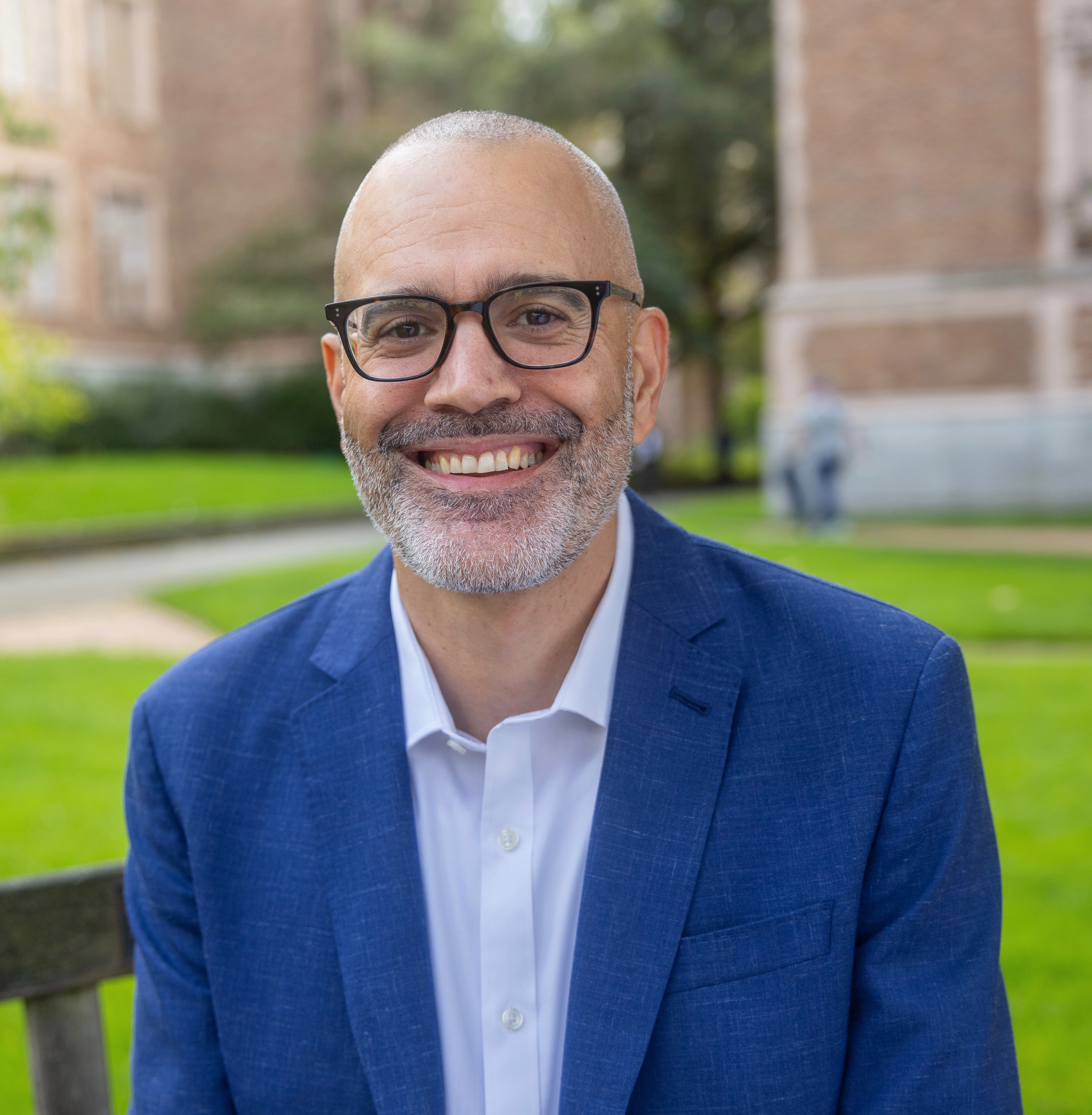
Professor Django Paris
SpeakerDjango Paris is the inaugural James A. and Cherry A. Banks Chair of Multicultural Education and director of the Banks Center for Educational Justice in the College of Education at the University of Washington on Coast Salish homelands. His teaching and research focus on centering and sustaining Indigenous, Black, Latinx, Asian and Pacific Islander youth and communities in the context of ongoing resurgence, decolonization, liberation, and justice movements in and beyond schools. Paris is author of Language across Difference: Ethnicity, Communication, and Youth Identities in Changing Urban Schools (2011), and co-editor of Humanizing Research: Decolonizing Qualitative Inquiry with Youth and Communities (2014), Culturally Sustaining Pedagogies: Teaching and Learning for Justice in a Changing World (2017), and Education in Movement Spaces: Standing Rock to Chicago Freedom Square (2020). He is also the editor of the Culturally Sustaining Pedagogies series with Teachers College Press and hosts the conversation series An Educational Otherwise. He has published in many academic journals, including the Harvard Educational Review and Educational Researcher.
More information: https://education.uw.edu/about/directory/django-paris
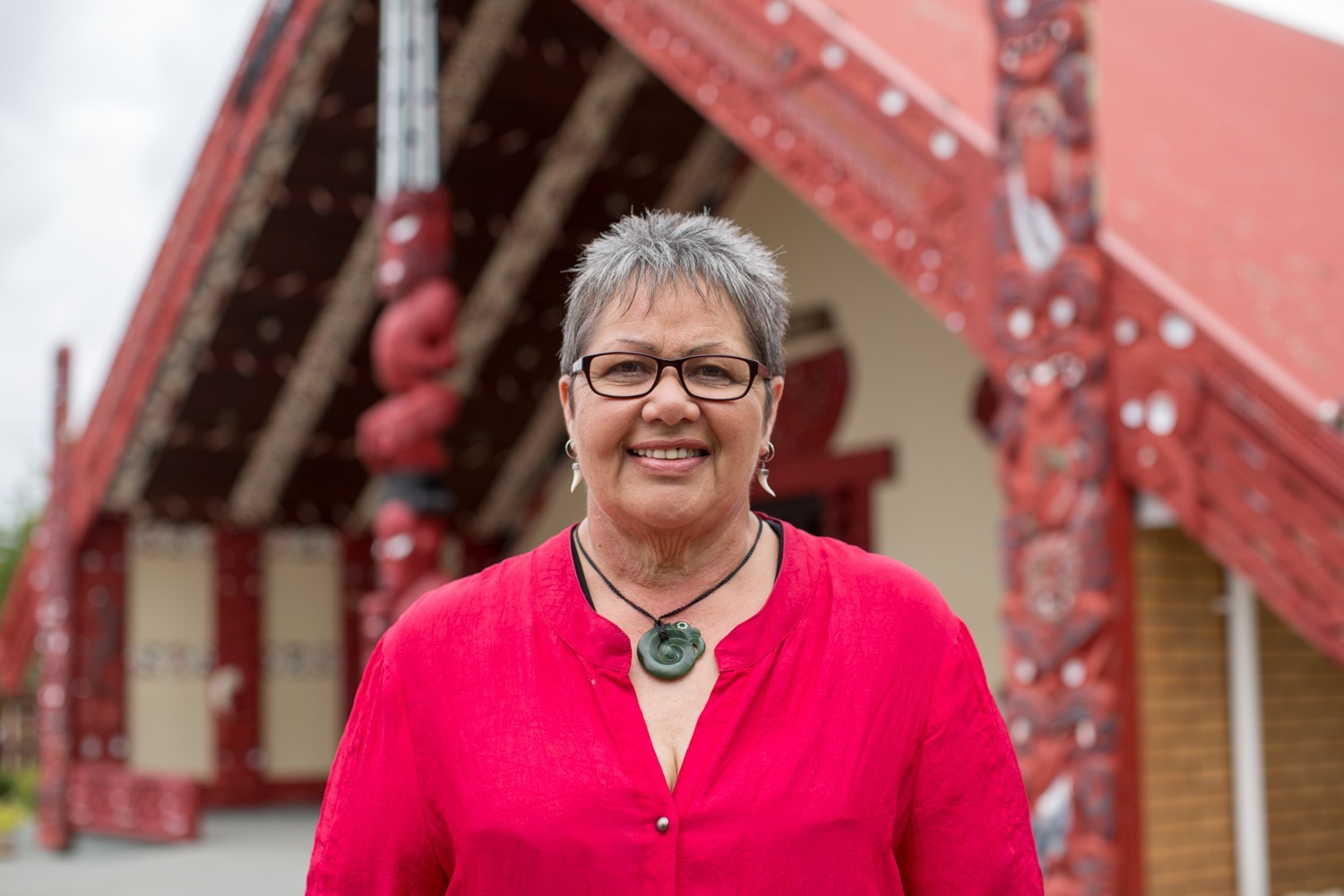
Professor Mere Berryman
SpeakerIwi: Ngāi Tūhoe, Ngāti Awa, Ngāti Whare
Mere became a researcher in the 90s, after 20 years of teaching in the primary sector. She wanted to understand why schooling was perpetuating intergenerational harm and trajectories of disparity for disproportionate numbers of Indigenous Māori learners. Despite research providing many powerful and practical solutions, power relations between the Crown and Māori filter throughout all layers of society, ensuring that this question remains.
More information: https://profiles.waikato.ac.nz/mere.berryman